Published: September 30, 1999
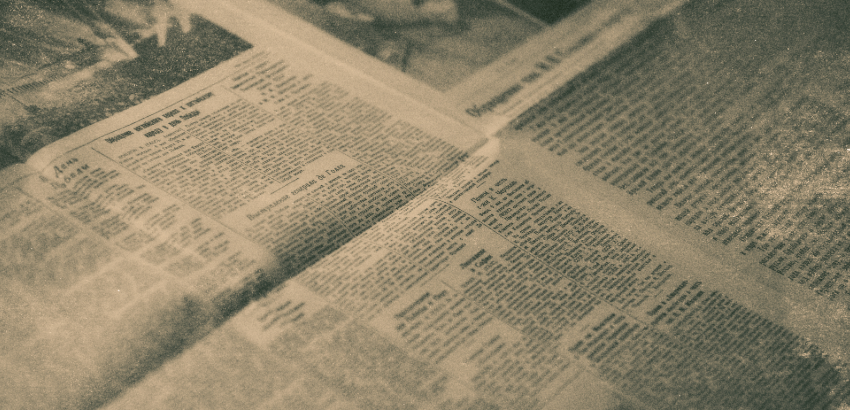
View the Original Newsletter:Iskra-43.pdf
About This Issue
In Iskra No. 43, editor Valentina Krčmar presents a moving essay by Dr. Davorka Križaj-Kapljić in the Motrišta column — a passionate appeal to Croatians everywhere to remain vigilant and united in defending their nation’s truth. Writing as both a doctor and a poet, Dr. Križaj-Kapljić warns of a “new and silent war” fought not with weapons, but through propaganda, politics, and complacency.
Valentina’s editorial framing reinforces this call to awareness, positioning the essay as both reflection and alarm — a reminder that Croatia’s moral struggle did not end with the cease-fire. The issue also includes Dr. Križaj-Kapljić’s patriotic poem “To je zemlja gdje smo rasli” (This Is the Land Where We Grew Up), celebrating the beauty and resilience of the homeland.
Motrišta: “Wake Up, Croatia”
Within the Motrišta column, Dr. Križaj-Kapljić questions whether Croatians abroad truly understand the weight of their homeland’s continuing challenges. She describes a quieter conflict — one of manipulation, media distortion, and diplomatic pressure — and urges the diaspora to raise its voice once again, just as it did during the Homeland War.
“Why the silence?” she asks. “Where are our strong voices, our lobbyists, our defenders? We cannot let them rewrite our story.”
Her words express both disappointment and determination. She reminds readers that Croatians in Canada have earned their place through integrity and hard work — and therefore have every right, and responsibility, to speak for justice.
Croatia’s True Wealth
In a moment of contrast, Dr. Križaj-Kapljić turns from politics to poetry, portraying Croatia as a land of purity and endurance. She writes of storks nesting on rooftops, symbols of a living, unspoiled homeland.
“In our fields, the storks still live. That means the land is alive, the waters are pure. That is our treasure — food unspoiled by poison.”
Her imagery transforms environmental beauty into moral metaphor: Croatia’s natural integrity reflects the honesty and strength of its people.
Defiance and Pride
The essay builds toward a powerful affirmation of national dignity. Dr. Križaj-Kapljić rejects the notion that Croatia must bend to Western Europe’s standards or seek validation from others.
“Let them keep their Europe and their arrogance. We will keep our honesty, our strength, and our love for this land.”
Valentina’s editorial framing amplifies this defiance — reminding readers that independence is not a political status but a continuing responsibility.
The Poem : To je zemlja gdje smo rasli
The issue closes with a lyrical celebration of Croatia’s landscapes — its sea, pine forests, and sun-washed stone — symbols of endurance and love. The poem, later performed by Ivo Pattiera, repeats its vow like a heartbeat:
“They stole our land, they tried to take it,
But we did not give it,
And we never will.”
Together, Valentina Krčmar and Dr. Davorka Križaj-Kapljić weave intellect and emotion into a single message — that Croatia’s greatest defense lies not only in sovereignty, but in spirit.